Filter

Most used filters
€
€
Min.
max.
To
Country
Interior & Exterior
Min.
max.
Seller & warranty
Months
Performance
To
Looking for a used hybrid car? We currently have 1,264 listings on the site. Combining a combustion engine with a battery, the hybrid cuts consumption without changing how you drive.
A conventional hybrid pairs a petrol engine with an electric motor and a small battery that recharges under braking. There is nothing to plug in, which is what distinguishes it from a plug-in hybrid.
It is the most straightforward way to cut urban consumption without changing anything about how you use a car – and on the used market the supply is now broad enough to compare properly.
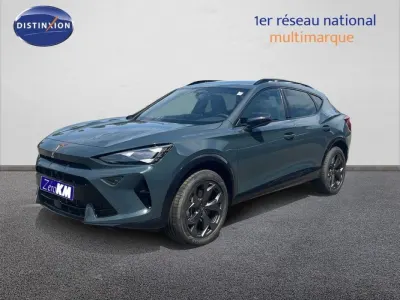
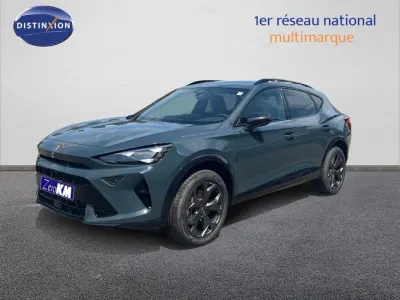
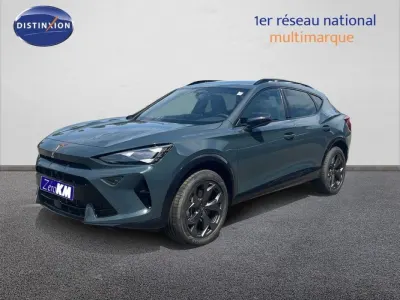
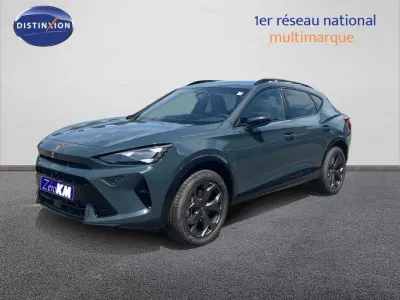
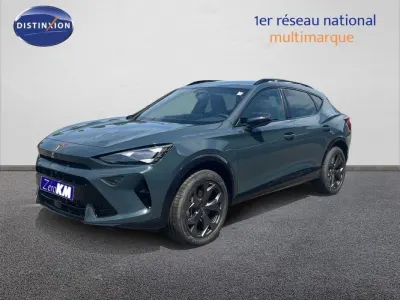
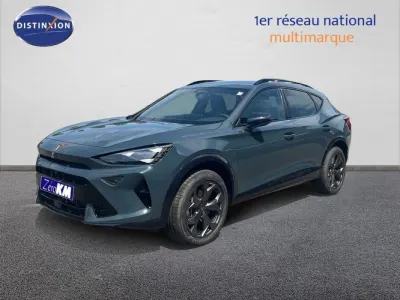
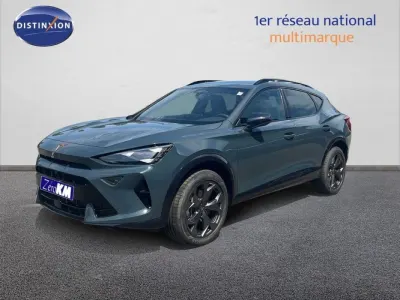
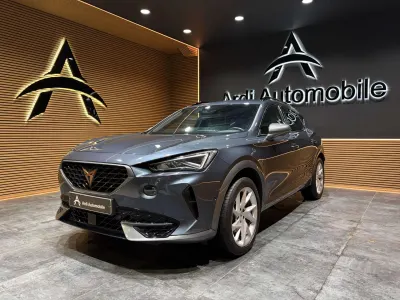
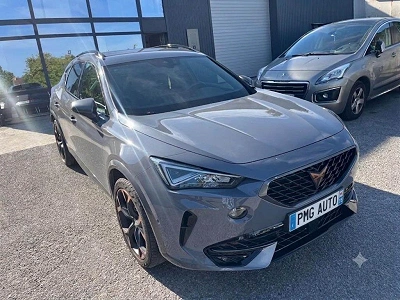
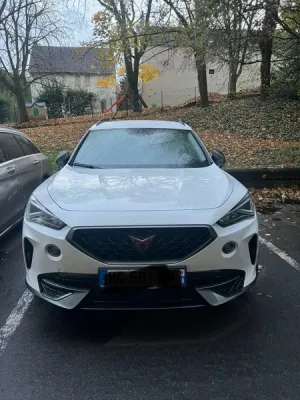
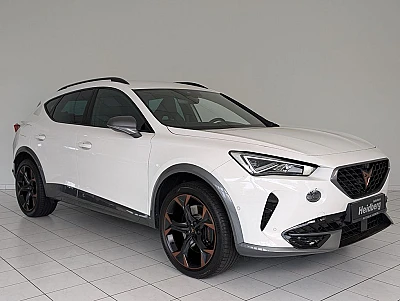
Of the 27 used Cupra Formentor listed right now: 52% are petrol. 89% have automatic transmission. Half are priced under €30,000.
Listings come from both private sellers and dealers, with the mileage, year and model shown on each one, so you can easily find the hybrid vehicle that matches your budget and your needs. Every listing shows the year, engine, power, mileage, transmission and price, along with where the vehicle is and whether the seller is a private individual or a dealer. From there you can narrow the selection further, or widen it to the neighbouring categories below.
At low speed and when pulling away, the electric motor does much or all of the work. The petrol engine takes over as speed rises, and braking energy tops the battery back up.
The gain is largest in dense traffic and stop-start driving, precisely where a conventional petrol engine is least efficient. On the motorway at steady speed the advantage narrows considerably, since the combustion engine is then running continuously.
There is no charging, no cable and no range anxiety. In exchange the electric-only range is very short – it is an efficiency device, not an electric car.
Most hybrids use a continuously variable transmission with no fixed ratios. It is very smooth in town but produces a flaring engine note under hard acceleration that some drivers dislike.
This is worth a test drive on an open road, not just around a car park. It is the most common reservation people have about the type, and it is entirely a matter of taste.
Ask for a state-of-health diagnostic on the traction battery. Replacement is expensive and its condition cannot be inferred from mileage.
Check that servicing has been done at the prescribed intervals: manufacturer battery warranties are usually conditional on that.
Brakes often wear more slowly thanks to energy recovery, which can allow discs to corrode on a car that has stood: inspect them rather than assuming they are fine.
A plug-in hybrid carries a much larger battery and can cover a real distance on electricity alone – but only pays if you charge it regularly.
Without regular charging it is heavier than a conventional hybrid and consumes more. If you cannot charge at home or at work, the conventional hybrid is the better buy.
A hybrid suits urban and suburban driving without access to charging – the exact case where it gives the most, and where diesel gives the least.
The links below let you narrow by body type, gearbox or budget.