Filter

Most used filters
€
€
Min.
max.
To
Country
Interior & Exterior
Min.
max.
Seller & warranty
Months
Performance
To
Looking for a used car with a manual transmission? We currently have 11,360 listings on the site. Often cheaper to buy and to maintain, the manual gearbox remains an economical choice.
Manual gearboxes remain very well represented on the used market, particularly on city cars, compacts and entry to mid-range models.
Their share is falling on new cars, which works in the used buyer's favour: at equal model, age and mileage, a manual generally sells for less than its automatic equivalent.
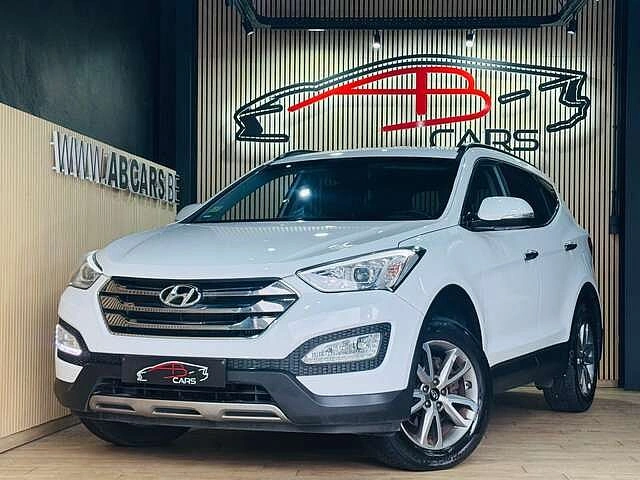
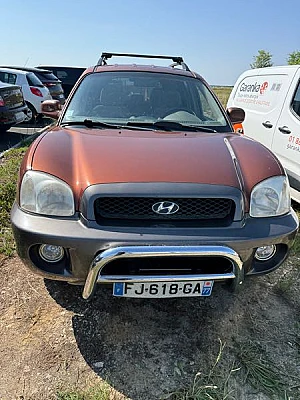
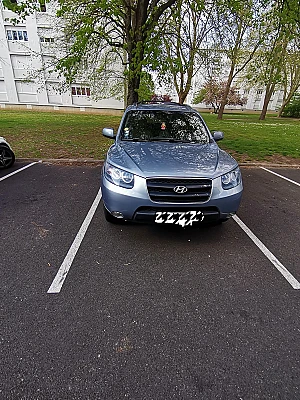
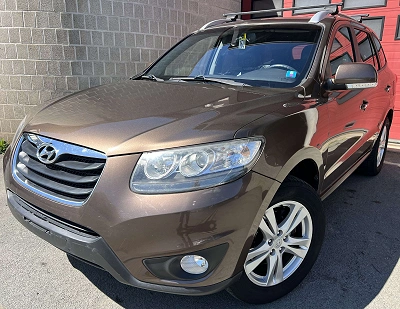
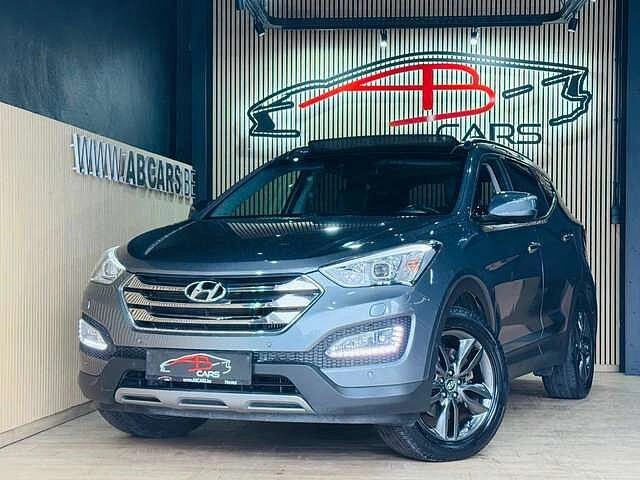
Of the 13 used Hyundai Santa Fe listed right now: Half are priced under €20,000.
Listings come from both private sellers and dealers, with the mileage, year and engine shown on each one, so you can easily find a car with a manual transmission that matches your budget and your needs. Every listing shows the year, engine, power, mileage, transmission and price, along with where the vehicle is and whether the seller is a private individual or a dealer. From there you can narrow the selection further, or widen it to the neighbouring categories below.
A manual gearbox has fewer components than an automatic, no dedicated control electronics and no torque converter. That simplicity translates directly into lower repair costs and easier diagnosis.
The main wear item is the clutch. Its life depends heavily on driving style and journey type: an urban car with frequent pull-aways wears a clutch far faster than a higher-mileage motorway car.
Replacement is still a serious job – the gearbox has to come out – but it happens at long intervals and its cost is predictable, which is not always true of an automatic gearbox repair.
This is the priority on any used manual, and it is assessed on the test drive.
A worn clutch shows up as a bite point high in the pedal travel. The classic test: in fifth or sixth at low speed, accelerate firmly – if engine revs climb faster than road speed, the clutch is slipping.
A heavy pedal, a bite point that moves, or a burning smell after a few hill starts are all signals.
Check the shift quality from cold as well: a second gear that baulks, a reverse that is hard to engage, or a crunch on downshifts point to worn synchros.
On older generations the manual used less fuel. With automatics now running seven or more ratios, the gap has closed and often reversed: a modern automatic holds the engine in its efficient range more consistently than the average driver.
The case for a manual today is therefore economic rather than technical: cheaper to buy, cheaper to maintain, simpler to repair.
It also keeps direct control of the ratio, which is what drivers who enjoy driving are after, and it suits small engines where you willingly use the rev range.
Supply is deepest on petrol city cars and compacts, and on entry and mid-range diesels. On large SUVs, premium saloons and every hybrid and electric, manuals are rare or absent.
If you want the best equipment for a tight budget, manual versions are usually where the opportunities are: demand is lower, and prices follow.
The reverse applies at resale: a manual sells for slightly less, and sometimes more slowly, than an equivalent automatic. Worth factoring in if you do not plan to keep the car long.
A manual suits drivers who spend little time in heavy traffic, those for whom purchase and servicing cost come first, and anyone who prefers to choose the gear themselves.
In dense daily urban use an automatic offers comfort a manual cannot match, and that is the main case where the premium is justified.
The links below let you narrow by body type, engine or budget.




-thumb.webp)