Filter

Most used filters
€
€
Min.
max.
To
Country
Interior & Exterior
Min.
max.
Seller & warranty
Months
Performance
To
Looking for a used hatchback? We currently have 2,942 listings on the site. Compact and easy to park, the hatchback is made for the city and for smaller budgets.
The hatchback remains the entry point to the car market. Short, light and frugal, it is designed for urban and suburban use where size matters more than power.
It is also the best-stocked segment on the used market. High new-car volumes translate into plenty of choice a few years later, at every mileage and trim level.
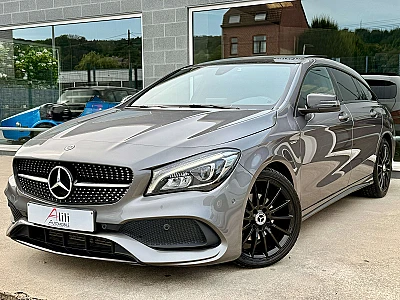
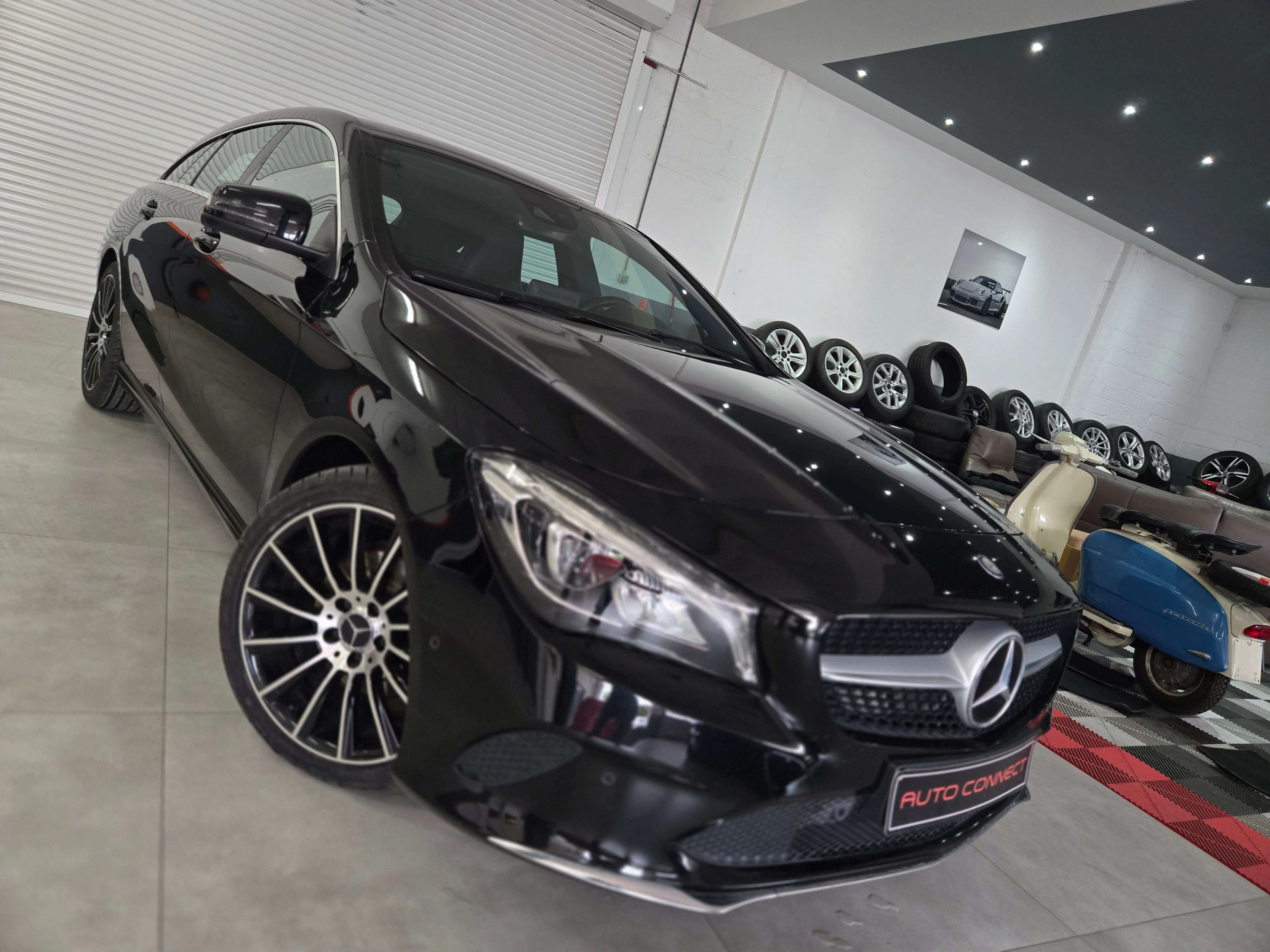
Of the 189 used Mercedes-Benz CLA listed right now: 51% are diesel. 85% have automatic transmission. Half are priced under €25,000.
Listings come from both private sellers and dealers, with the mileage, year and engine shown on each one, so you can easily find a hatchback that matches your budget and your needs. Every listing shows the year, engine, power, mileage, transmission and price, along with where the vehicle is and whether the seller is a private individual or a dealer. From there you can narrow the selection further, or widen it to the neighbouring categories below.
Under 4 metres, a hatchback parks where a compact will not and threads through dense traffic. Turning circle, rarely highlighted in listings, makes a real daily difference when parking.
The trade-off is rear space. Two adults travel comfortably on short trips; beyond that, legroom and shoulder width become limiting. Five-door versions make access far easier, particularly for a child seat.
The boot, usually between 250 and 350 litres, covers shopping and a weekend for two. For more, folding the rear seats becomes essential.
This is the segment's central argument. Low weight limits fuel use and wear on tyres and brakes. Small tyres cost appreciably less to replace than an SUV's.
Insurance and registration follow the same logic, engine ratings being modest on most versions.
For servicing, small engines are generally easy to access, which shows up in the labour billed.
Petrol dominates the used segment and remains the default for urban use: diesel never made economic sense here, and its emissions equipment copes badly with short trips.
Electric has found its most natural ground in this format. Daily urban distances are well within available range, and braking energy recovery is particularly effective. The central question becomes access to regular charging, at home or at work.
A conventional hybrid is the compromise for anyone who cannot charge: it cuts urban consumption without changing your habits.
Recent hatchbacks are also better placed against low-emission zones, whose rules vary by city and change regularly. The vehicle's Crit'Air class, tied to its engine and first registration date, is worth checking if you drive in an affected city.
Manuals remain the majority here and keep prices down. They suit anyone after the lowest purchase cost.
Automatics, long rare on small engines, have spread. They change the experience in heavy traffic considerably. On older generations, though, single-clutch automated manuals shift in a jerky way that many drivers find unpleasant: a test drive is essential.
A hatchback that has lived in town carries parking marks: bumpers, wheels and sills tell you about its life. These are cosmetic and negotiable, but they are information.
Mileage alone is misleading. A low-mileage car used exclusively in town has endured more cold starts than one with more motorway miles. The clutch, battery and exhaust show it.
On three-cylinder petrol engines using an oil-immersed timing belt, sticking to the replacement interval is a documented point of attention: the service book should be explicit.
The hatchback suits short daily journeys, a first car, or a second car in a household. It shows its limits on the motorway and on long trips with four aboard.
The links below let you narrow by engine, gearbox or budget.

-thumb.webp)